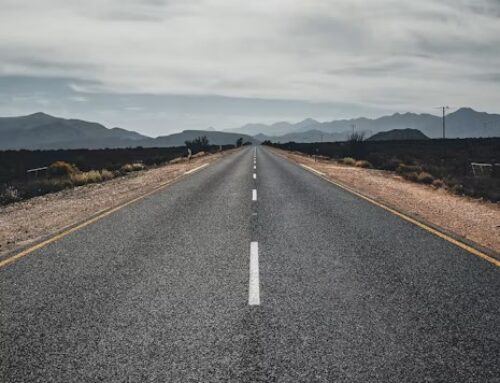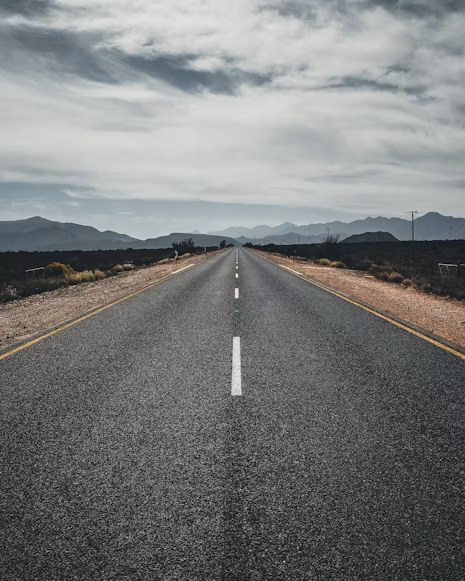
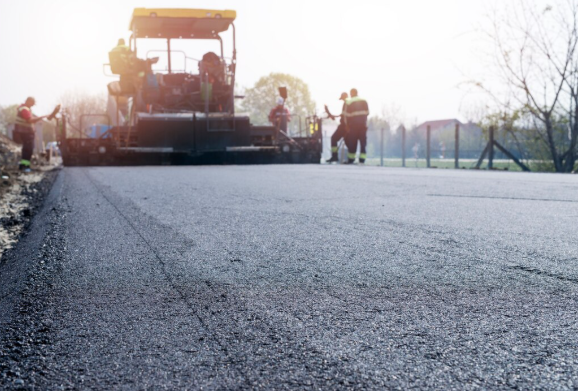
As asphalt becomes over 7% costlier in California and Arizona, many people wonder: What even is it? What is asphalt? What is asphalt made of? When you drive down a smooth road and pull into a freshly paved parking lot…, or when you simply walk down a sleek driveway, you are basically moving across one of the most recycled building materials in the whole world.
That’s why you need to understand what goes into your pavement. This knowledge will enable you to make better maintenance decisions for your home or business. Let’s break down what this durable material is made of, and how it is produced to withstand Tucson’s heavy traffic.
What is in Asphalt?
So, what is asphalt and how do they even manufacture it? Human history is full of wonders. We went from using rudimentary tools to turning sand into microchips. That’s why people ask, “What is concrete made of?” and “Where does coal tar come from?” When it comes down to asphalt, it’s usually made up of these two major components:
- Aggregates: These aggregates make up 90% to 95% of the total mixture of asphalt. Aggregates are a precise blend of crushed stone, gravel, sand, etc.
- Bitumen: This liquid binder holds all the stones in the aggregates together. You can think of bitumen as a thick, sticky, and black petroleum product. It’s a powerful glue & waterproofing agent. It coats every single piece of stone aggregate.
The flexibility of bitumen lets the finished pavement expand and contract. It can also flex a little under the weight of heavy vehicles instead of folding under pressure. But Arizona’s hot climate can impact asphalt a bit differently, which seems to be another debate.
What is Asphalt? How Do They Make It?
Asphalt’s production process needs extreme heat and careful calibration. The process starts at an asphalt plant. The aggregates get sorted by size and fed into large drying drums. That’s how we remove every trace of moisture from it and ensure that the sticky bitumen can bond properly with the stones. Then, we heat this blend to temperatures exceeding 300 degrees Fahrenheit. It is at this stage that we introduce the liquid bitumen. After thoroughly mixing these components, we make sure that every piece of stone is coated evenly.
We load this hot mix into insulated trucks and bring it to the paving site while it’s still steaming hot. Our crews work their best to spread and smooth asphalt layers. They compact the whole mixture using heavy rollers. As time passes, the material cools down. It hardens into the strong and durable asphalt installations you see in your neighborhood.
Why Quality and Climate Matter
When we compare tarmac with asphalt, we realize that both options have their unique pros & cons. But the particular recipe used in the making of asphalt actually changes based on where you want it. For instance, if you want us to lay asphalt in Tucson, the pavement needs to survive Tucson’s intense summer sun and sweltering ground temperatures. We need to adjust the blend to ensure that the binder stays stable under extreme UV exposure during peak summer months.
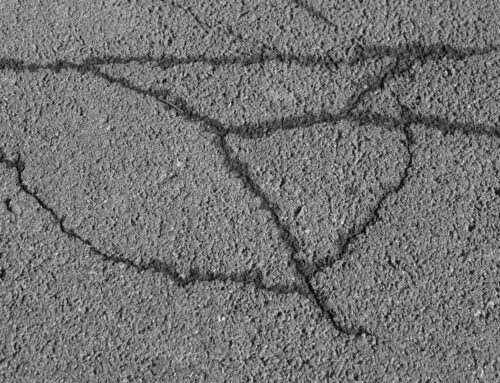
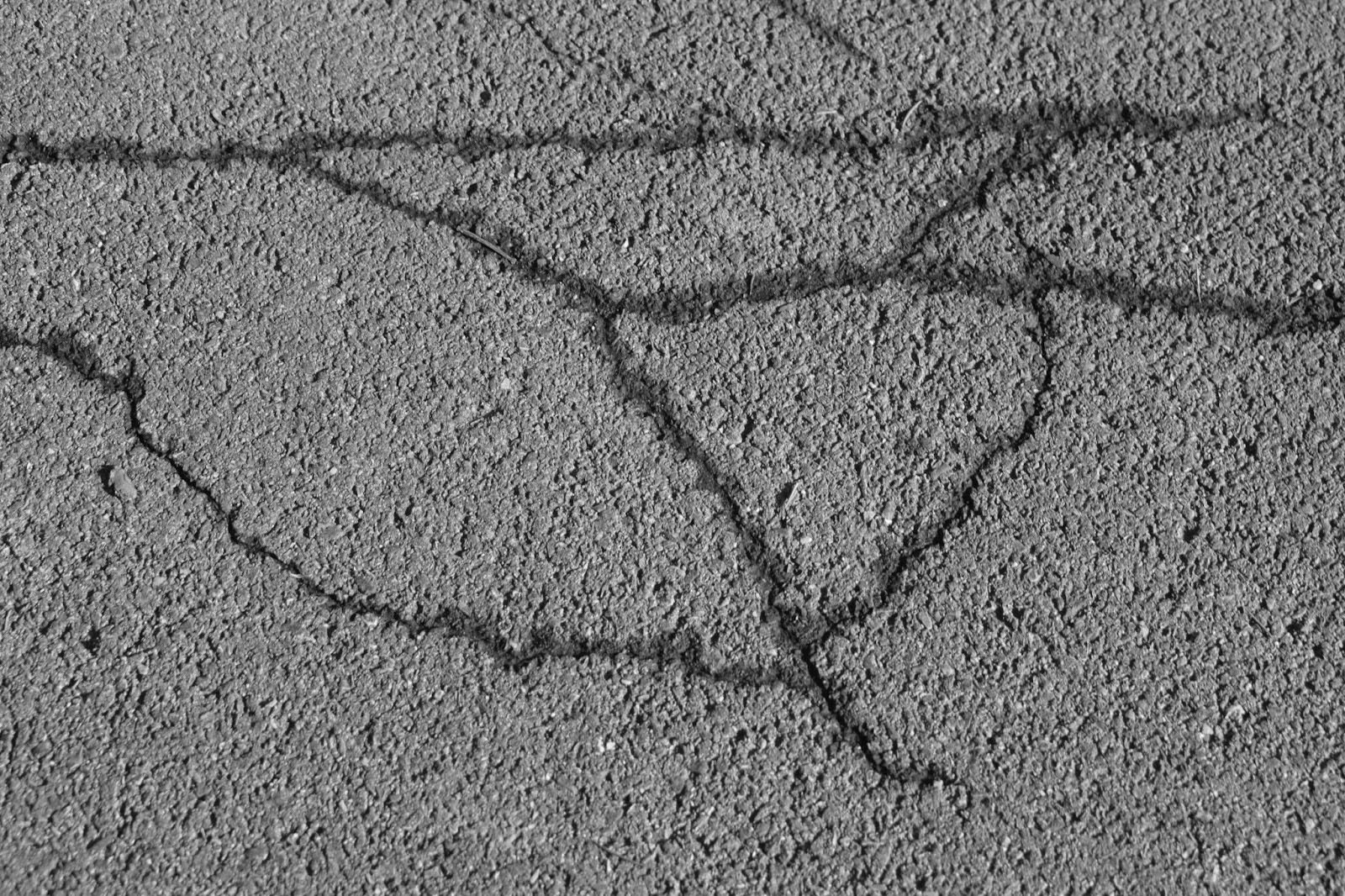
Once we install the asphalt layer, the story doesn’t end there; we do proper maintenance via sealcoating and crack filling. Imagine sealcoating as a protective shield that keeps the sun from drying out the bitumen binder. Not performing this maintenance work will cause the asphalt to go brittle and fade to a dull gray, eventually crumbling into potholes right in front of your home.
So, what is asphalt? Hope you now understand what it is and why it matters so much…
 Source
As asphalt becomes the target of Europe’s next climate adaptation boom, you need to make up your mind about asphalt. You can get a brand-new driveway right in front of your home, or you may upgrade an existing parking lot. But you must always work with an experienced contractor to make sure that the job is done right from the very start. We at Sunrise Asphalt understand how to lay durable asphalt that handles the unique Arizona climate without cracking.
Contact our friendly team to discuss your next project. Schedule a maintenance consultation.