
When we compare tarmac with asphalt, many Arizona homeowners ask whether asphalt is even better than concrete. Installing a new driveway sure improves your home and gives a boost to its overall curb appeal. But should this driveway be made of concrete or asphalt? Choosing the right paving materials that can actually withstand intense desert heat & thermal expansion is a pretty big deal. The choice always comes down to a concrete vs asphalt comparison.
Now, both these materials are in use in Tucson and its neighboring cities, and both options have their respective pros & cons. But only one of them is perfect for Arizona’s desert climate; we will give you the answer right here: It is asphalt! This blog will now compare asphalt with concrete to show you why the former is a much better option than the latter for your house in Tucson.
Understanding the Material Basics
The debate about asphalt and concrete spans international borders; many countries in the world argue which option is better for their homes. But we will drive into performance differences only after we understand what these materials are!
- Cement vs Concrete: Cement is simply a fine powder binding agent. Concrete is the composite material we get when we mix cement with water, sand, and stone aggregate.
- Concrete vs Blacktop Driveway: Blacktop means asphalt paving. It simply features a higher ratio of stone aggregate to liquid asphalt cement. It’s then laid down and rolled smooth while still hot.
These explanations will help you better appreciate concrete vs asphalt differences.
Heat Resistance and Thermal Expansion
Arizona summers are kind of notorious for their scorching temperatures that often exceed 100 degrees. Concrete’s light gray surface reflects sunlight better than darker surfaces. It keeps your pavement cooler to the touch. But grid concrete slabs tend to expand and contract in summers. On the other hand, dark asphalt can become really warm during peak summer afternoons. But the flexible petroleum-based binder in asphalt allows your pavement or driveway to go through this expansion-and-contraction cycle without sustaining much damage.
Installation Costs and Project Timelines
Many homeowners focus a lot on the initial installation costs of their driveways. Asphalt costs less in upfront installation. If you hire local professionals for this job, your asphalt driveway will cost 30% to 50% less per square foot than standard poured concrete. Asphalt also cools and cures quickly, so your new driveway will be ready for driving within 48 to 72 hours.
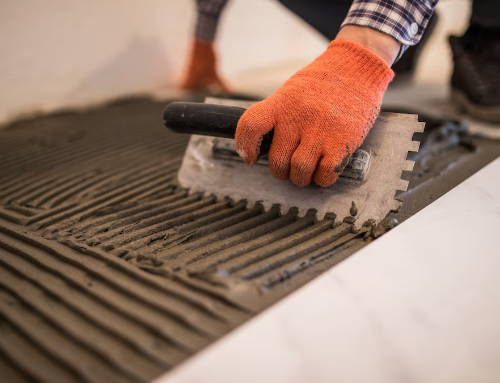
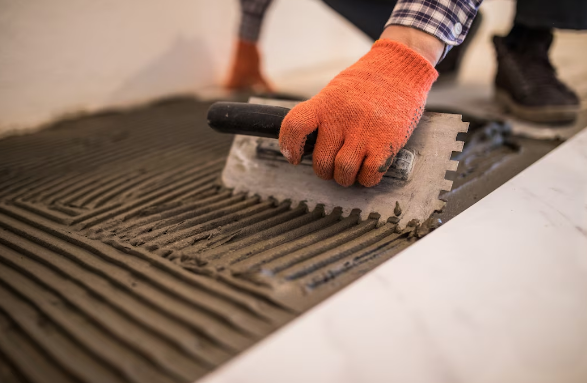
Poured concrete needs extensive framing, reinforcement, and then labor; it means you have to pay more money in initial installation expenses. Concrete demands a longer curing process as well. The result? You may have to give it a week before parking your heavy vehicles on it.
Maintenance, Repairs, and Lifespan
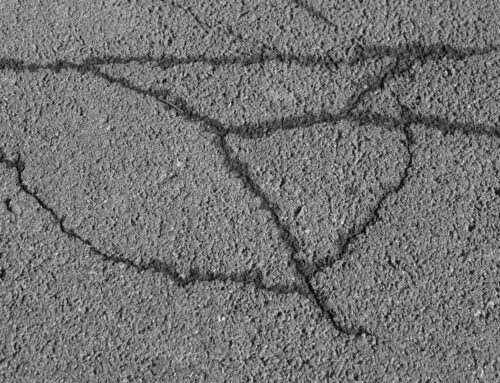
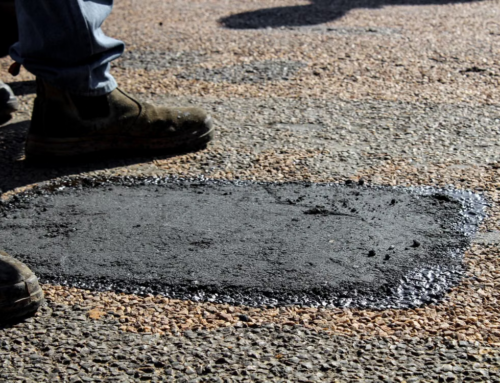
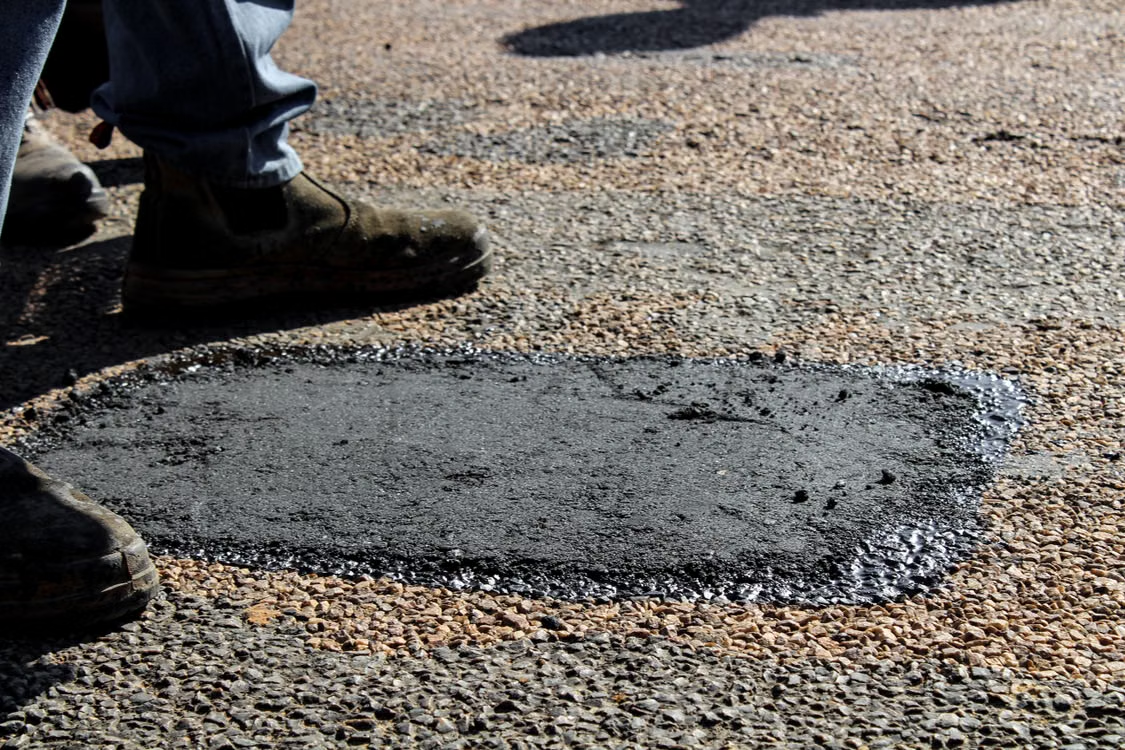
Now, let’s talk about maintenance. Your asphalt driveway’s regular upkeep is budget-friendly. You have to apply a quality sealcoat at least once every 3 years. That’s how you can protect the binder from UV oxidation and prevent rain from penetrating your driveway’s base layer. Even if minor cracks appear, asphalt crack filling & patching won’t cost you a fortune. You should also contact local professionals to learn some practical asphalt maintenance tips in Arizona.
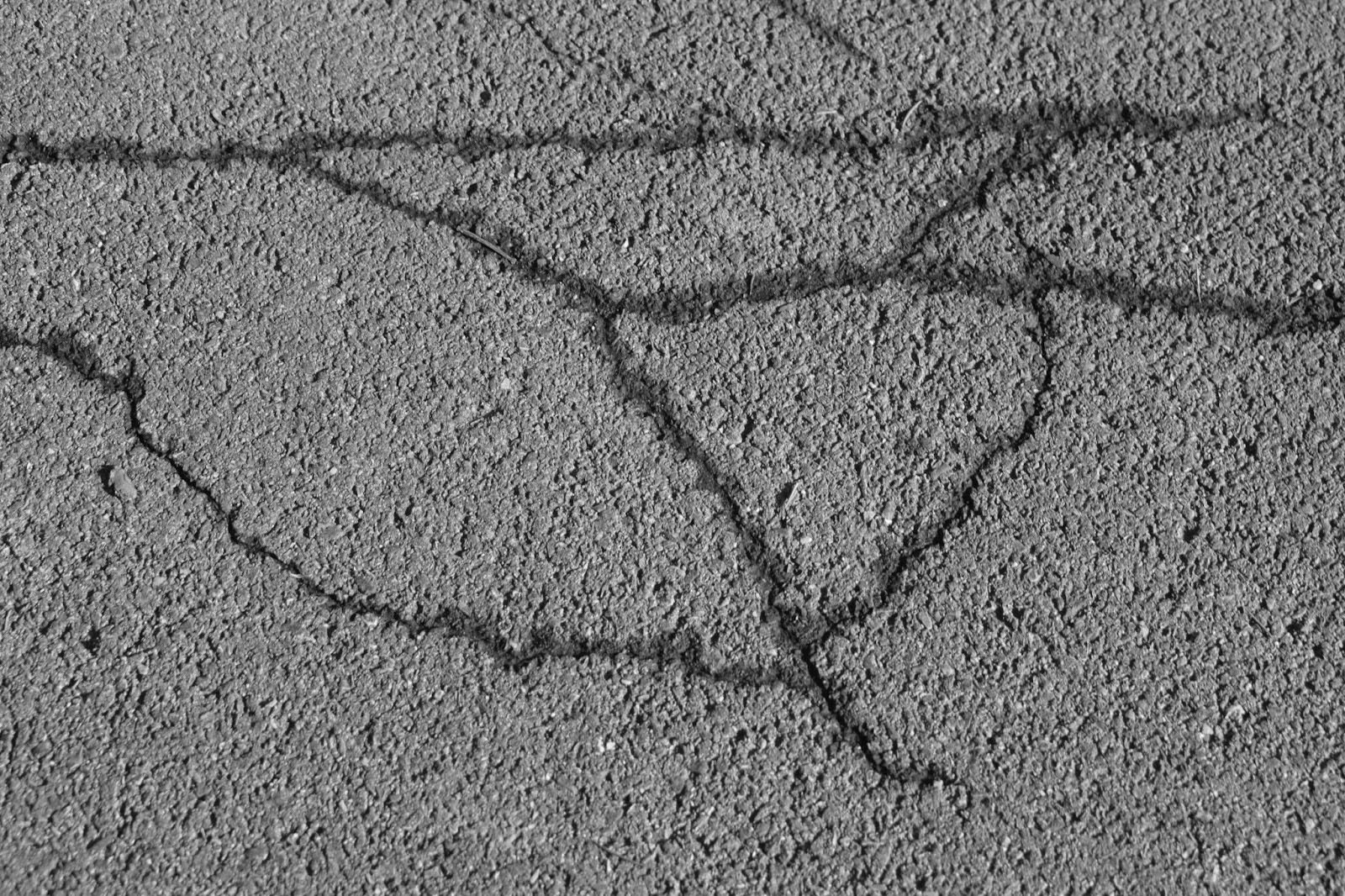
Concrete doesn’t require frequent sealing. But repairing a damaged concrete driveway can be pretty difficult. Patching cracks often leaves noticeable discoloration on it as well. When you replace your concrete driveway’s damaged sections, you first break up and then repour entire slabs. That’s why asphalt has an upper hand in this case over concrete.
Longevity and Desert Performance
Both asphalt and concrete are pretty durable. Your concrete driveway will be there for the next 30 years. But UV exposure and soil shifts can cause premature cracking. An asphalt driveway, on the other hand, gives you 20 years of company at least (supported by routine sealcoating)
You can now invest in rubberized asphalt driveways that easily last 10 years. If you invest in ADOT, these bad boys can stay there in front of your curb for three long & strong decades!
We finish out the concrete vs asphalt comparison debate with asphalt as the clear winner!

Choose Experts for Concrete vs Asphalt Decisions
Choosing between a concrete vs asphalt driveway comes down to balancing upfront cost, ongoing maintenance preferences, and performance in our local climate. For many Southern Arizona property owners, asphalt offers the ideal blend of durability, flexibility, and affordability. Contact us today or visit our website to request a free estimate for your driveway project!