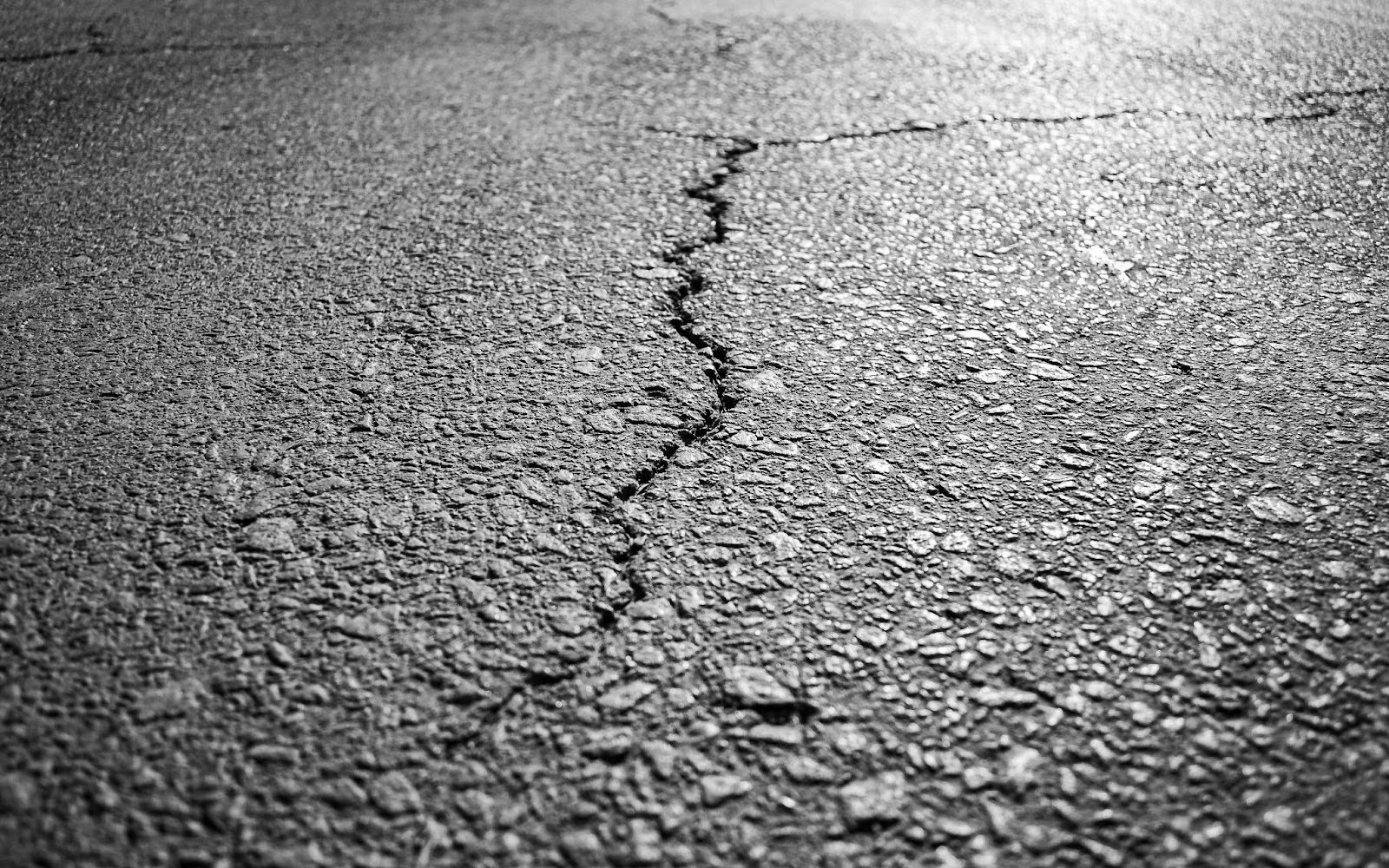
now, ice, and freezing temperatures likely come to mind when you think about harsh winter conditions damaging pavement. However, here in Tucson, even mild winters can create their own set of challenges. The elements can be just as detrimental to your driveway or parking lot, and many property owners don’t realize the need for asphalt repair until it’s too late.
At Sunrise Asphalt, we understand the unique challenges that local property owners face. To help, this article takes a closer look at why Tucson’s winters can be damaging to asphalt and steps you can take to protect your investment.
What is Thermal Cycling?
The key culprit affecting asphalt during Tucson winters isn’t extreme cold, but rather thermal cycling. What is thermal cycling? It occurs when temperatures fluctuate significantly between day and night, causing asphalt to expand and contract repeatedly.
While our winter days might reach temperatures in the 60s or even 70s, nighttime lows can drop into the 30s or 40s. This 30 to 40-degree temperature swing happens regularly throughout our winter months, creating a constant cycle of expansion and contraction in the pavement.
To further illustrate, think of it like bending a paperclip back and forth. The first few times, nothing happens; however, repeating that motion eventually causes the metal to weaken and break. Asphalt experiences similar stress with each temperature cycle, and over time, this repetitive stress leads to cracking, surface deterioration, and the need for asphalt repair.
Why Tucson’s Climate is Uniquely Challenging
Unlike regions with consistently cold winters, where asphalt essentially “rests” in a contracted state for months, Tucson’s pavement never gets a break. Every 24-hour period brings another cycle of expansion and contraction, and this constant movement is tough on asphalt, especially when it already has minor imperfections or small cracks.
Arizona’s intense summer heat means asphalt has already been stressed by months of extreme temperatures. By the time winter arrives, the pavement has been softened, hardened, expanded, and contracted through multiple seasonal cycles. The cumulative effect of this year-round thermal stress accelerates deterioration.
The desert’s low humidity is another factor. Asphalt contains oils and binders that help maintain flexibility. In a dry climate, these essential components can evaporate more quickly, making the pavement very brittle and susceptible to cracking when temperatures fluctuate.
Signs You Need Asphalt Repair
During and after our winter months, watch for these telltale signs that thermal cycling is affecting your pavement and it’s time for asphalt repair:
Small hairline cracks: While they might appear insignificant, these cracks allow water penetration, which accelerates damage. If they seem to appear or worsen overnight, they’re often the result of temperature fluctuations.
Edge deterioration: Edges are particularly vulnerable because they experience greater temperature variations and have less structural support. Deterioration becomes more noticeable as the edges of your driveway or parking lot crumble or break away.
Potholes: When water enters cracks, expands during cool nights, and weakens the base layer beneath your asphalt surface, potholes form. Even without freezing temperatures, this moisture can be damaging over time.
Surface raveling: This occurs when the top layer of asphalt begins to break apart, resulting in a rough, deteriorating surface. It is often a sign that the binder has become too brittle from the repeated stress of thermal cycling.
Winter Maintenance Strategies
Prevention is the best way to protect your investment. Here are some winter maintenance strategies to keep in mind:
Prep in the Fall: Before winter temperature fluctuations begin, fix any existing cracks or damage. Professional asphalt repair completed in the fall prevents small problems from becoming major headaches. Crack filling and patching create a sealed surface that’s better equipped to handle thermal cycling.
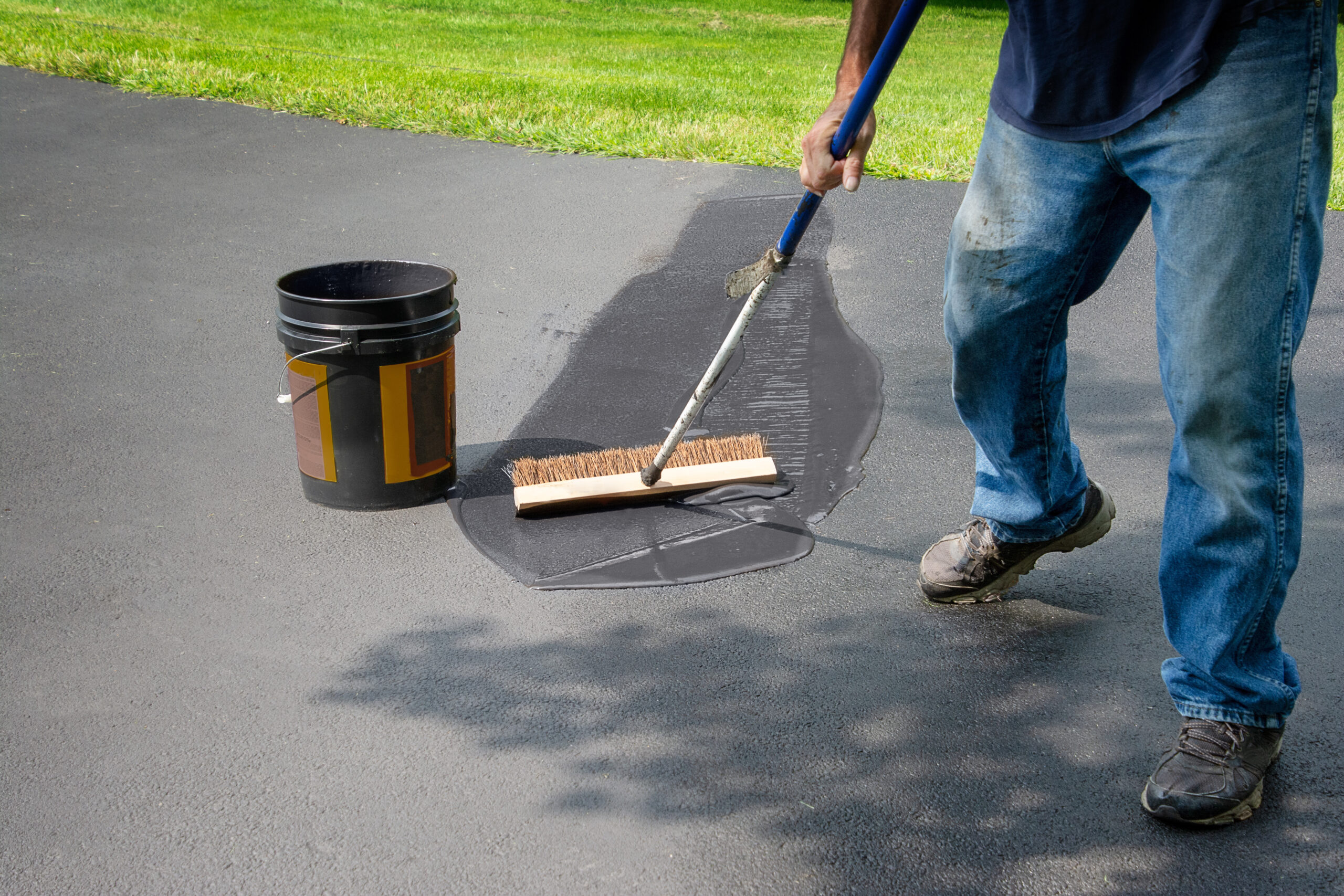
Sealcoat: Flexibility is crucial for withstanding temperature changes, so sealcoating asphalt can protect it from the elements and help it retain much-needed oils and binders. Serving Tucson for over 40 years, we’ve seen how regular sealcoating significantly extends pavement life in our desert climate.
Monitor drainage: When storms arrive, proper drainage prevents water from pooling on the asphalt’s surface. This is important because standing water seeping into small cracks will cause damage during temperature fluctuations, even without freezing.
Address damage promptly: Small cracks identified during the winter should be repaired before spring and summer heat arrives. Timely asphalt repair helps prevent minor issues from escalating into costly full-surface replacement.
Don’t let Tucson’s mild winters get the best of your pavement. At Sunrise Asphalt, we understand the unique challenges that Southern Arizona’s climate presents. Our team can assess the condition of your asphalt, identify winter-related damage, and recommend a maintenance schedule that protects your investment throughout the year. Call us today.