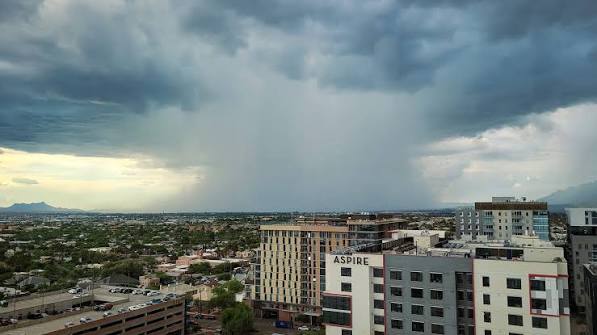
An asphalt pavement offers you many amazing advantages. But Arizona’s summer monsoon season brings torrential rains that spell disaster for your asphalt driveways & parking lots. The fact is that water is the single greatest enemy of an asphalt pavement. If your driveway already has small cracks and divorce… or many crumbling edges… monsoon rains will turn those minor flaws into severe, costly structural damage. So, monsoon-proof your asphalt today!
If you want to safeguard your property before the heavy storm season starts knocking on the door, apply a timely asphalt patch to repair these minor flaws and seal out water. This way, your pavement will survive the storm season intact. Let’s learn more in this blog!
Why Water Is So Destructive to Unsealed Asphalt
As climate change is making monsoons arrive earlier than expected every year, you have to be careful and take precautionary measures. The question remains: Why is water from rain so dangerous for asphalt? Asphalt has a compacted base layer made of stone & soil that keeps it strong enough for heavy traffic. The top asphalt layer becomes a waterproof shield to keep the underlying base dry & stable. However, cracks or small holes let water rush straight into those openings. This water softens the pavement’s sub-base and makes it weaker.
When vehicles drive over this weakened, softened driveway with several waterlogged areas, the pavement starts to bend and crack. It eventually collapses into deep potholes. Once you realize the difference between asphalt millings and gravel, you’ll understand when to use a driveway patch to fix these small gaps and cracks before they turn into major potholes.
When to Use a Driveway Patch
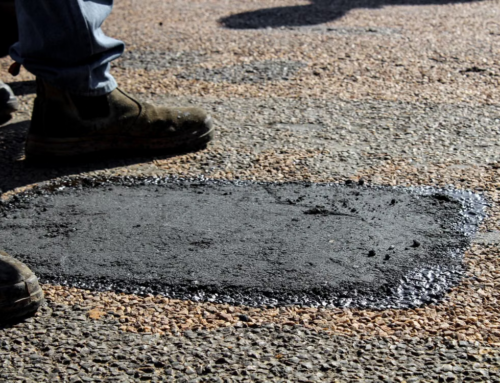
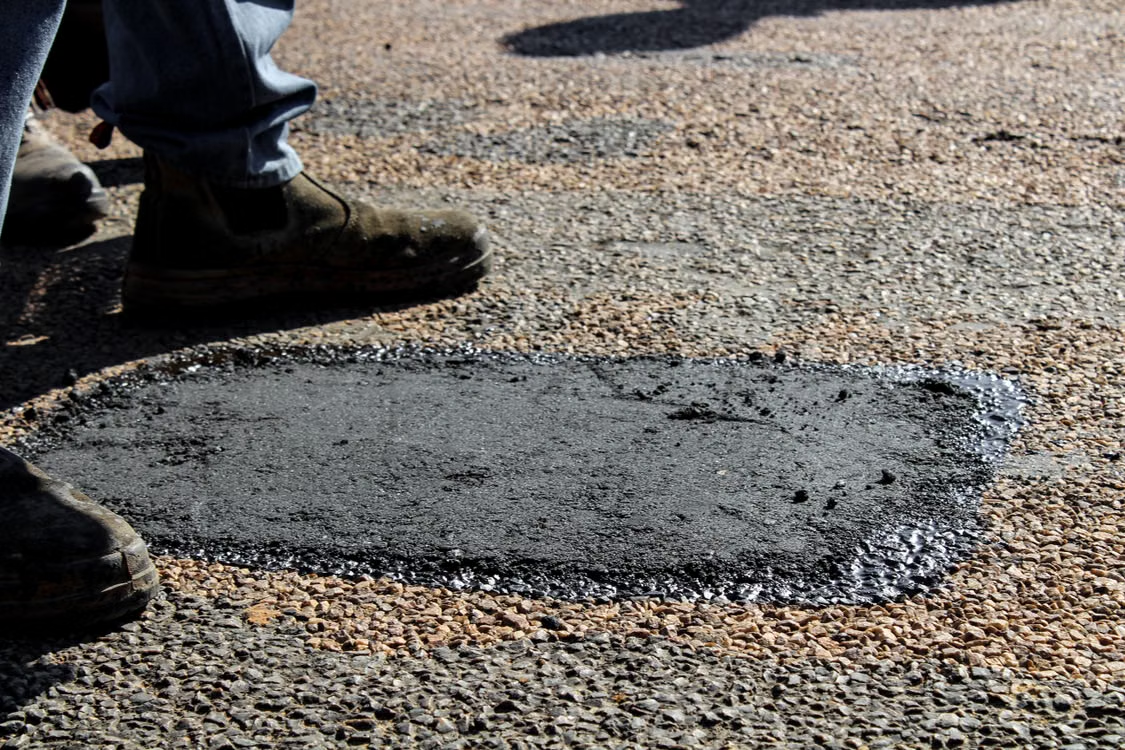
When it comes to an asphalt patch, catching surface issues early in the making will make sure you don’t have to replace the whole pavement in the end. A driveway patch will address these localized damages before the monsoon season begins. This patch will take care of potholes, sunken depressions, crumbling edges, and deep cracks. Addressing these problem areas well ahead of time keeps water flowing over the surface rather than soaking into the foundation.
Understanding Cold Patch vs. Hot Patch Repair
When you’re looking into different options for blacktop repair, you may come face to face with both hot mix and cold mix products. An asphalt cold patch is a fine, popular choice for quick, localized repairs. Hot asphalt has to be kept at very high temps. But cold patch material stays flexible even at room temperature. You can pour it directly into a clean hole. This material also hardens quickly under pressure. That’s why it’s an effective fix for emergency repair projects before storm clouds roll in. But if you’re dealing with extensive damage or commercial properties in the area, hot patch repair seems like the best possible solution for you!
Steps to Apply a Successful Asphalt Patch
- Clean the Area: Clear out all loose gravel, dirt, weeds, and debris from the hole or crack. Water doesn’t bond properly to dirty surfaces.
- Create Dry Conditions: The surface has to be dry before you apply repair materials so the binding agents can stick properly.
- Fill and Compact: Fill the hole in layers, tamping down firmly as you go to remove air pockets and create a dense, flat surface.
- Seal the Edges: Seal the perimeter of the patch to prevent future water intrusion around the edges as you finish your asphalt patch.
Don’t wait for monsoon rains to wash away your driveway’s foundation. Inspecting your pavement today and taking care of necessary repairs early saves you money and stress down the road. If you need professional blacktop repair or expert guidance on preparing your driveway for monsoon season,
Sunrise Asphalt is ready to assist. With four decades of experience serving Southern Arizona, our friendly team delivers long-lasting solutions you can count on.