Many people ask: What are potholes? Where do they come from, and how do we repair them? Potholes are not just those unsightly blemishes that appear sometimes on your property; they actually present major hazards to vehicles and pedestrians. They happen because of factors like moisture infiltration, temperature changes, heavy traffic, etc. These depressions form when the underlying soil structure grows weak and eventually collapses after losing the base support.
If you are managing a commercial parking lot or a rural road, you need to look into immediate & prompt pothole repair services to prevent further deterioration, restoring the structural safety of your road. Contractors and property owners use different methods for patching potholes. We’ll look into some of these methods here to help you better understand how potholes are patched.
Cold Patch Asphalt Repair
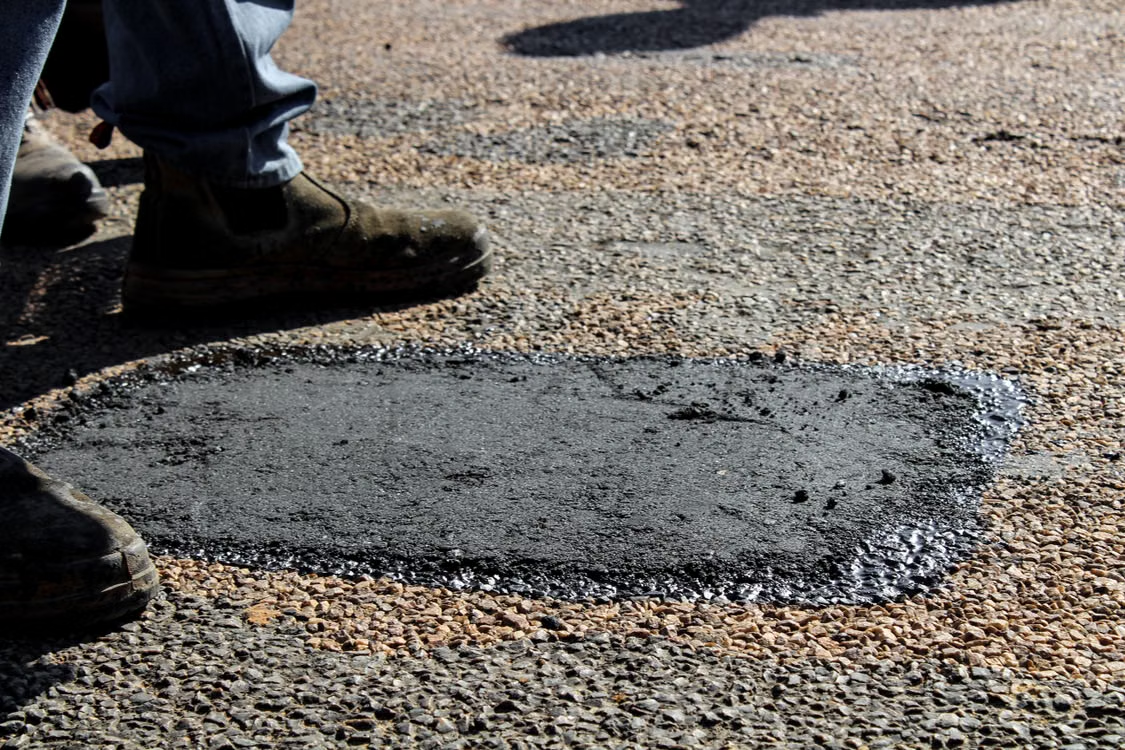
Let’s start with cold patch repairs. They are a quick and temporary method commonly used for emergency repairs or during colder winter months. That’s when hot asphalt plants are inactive. This material comes pre-mixed. You can apply it straight from your bag with zero heating. This method is best for small asphalt repairs and emergency fixes. We sweep loose debris from the hole, shovel in the cold mix compound, and compound it with a hand tamper or vehicle tires.
This method sure is cheap. But cold patches lack the structural longevity you need. Also, this method usually requires permanent replacement once weather conditions become suitable.
Hot Mix Asphalt Patching
Another major pothole repair method is hot mix asphalt patching. If you need a durable pothole repair strategy for commercial parking lots, this is what you need. Use this patching method for permanent repairs on high-traffic roads. Our technicians saw-cut around the affected area and create clean, square edges. They remove loose rubble and then apply a tacky binder coat that helps the new material adhere properly to the surface, filling the cavity with hot asphalt at very high temperatures. They use heavy rollers to compress the material flush. Hot mix bonding creates a watertight seal that restores full structural integrity to the pavement for years.
Throw-and-Roll Method
The throw-and-roll method is yet another amazing strategy. The asphalt you get here doesn’t cost much in maintenance. That’s why all municipal road crews use this method for temporary fixes across large areas. You can use this method to fill multiple shallow depressions across a long stretch of pavement. We shovel patching material directly into the pothole without prior edge trimming or debris removal. A truck drives over the patch to compress it into place.
Since loose debris & water stay underneath the patch, this method isn’t durable enough. You may also have to re-apply this method after heavy rainfall erodes what’s left of it…
How to Repair Potholes in a Gravel Driveway
Tar & chip driveways have pros & cons of their own! But when it comes to pothole repair, this is what you need to hear: gravel surfaces need a different repair approach compared to your solid asphalt or concrete driveways. Merely shoveling fresh gravel into a hole fails because the tires of a car quickly push loose tone out of the uncompacted depression. That’s why:
- We start by removing loose dirt, leaves, and standing water from the hole. You can use a pickaxe or rake to broaden the edges and create a shallow bowl shape. Not a narrow pit.
- The next step is to add a coarse base. We fill the bottom half of the hole with coarse gravel or crushed stone (around 1 to 1.5 inches in size).
- Next, we pack the base stone tightly with a manual hand tamper or heavy vehicle wheel.
- Finally, we add smaller gravel mixed with stone dust to fill the rest of the cavity. We build the top slightly higher than the surrounding driveway level (mounded) to make room for settling. That’s how we ensure that rainwater drains away from the patch.
Hire Reliable Pothole Repair Experts in Tucson
If you want the sort of efficiency they have in Houston, where they fix 99% of the potholes, you should choose the right method for the repair of potholes. Make sure this method works for your surface type, traffic levels, & whether you need an immediate temporary fix (or something more permanent). Unlike gravel driveways that can be maintained with routine hand tools, you need professional equipment for hot mix materials for asphalt surfaces in Arizona.
If your driveway or commercial property is showing signs of pavement failure, contact Sunrise Asphalt today to schedule a free on-site assessment and professional repair estimate.